

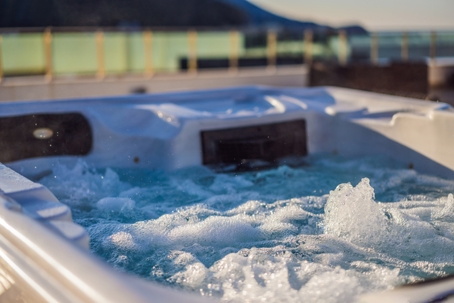
Hot tubs are a great way to relax—especially when the weather gets colder in North Carolina. But many homeowners don’t realize that a hot tub works very differently in winter than it does in summer. Colder air makes the system work harder, run longer, and draw more power. If you own a hot tub (or want one in the future), understanding how it behaves in low temperatures can help you avoid surprises on your energy bill and keep your equipment running as smoothly as possible.
Why Hot Tubs Use More Electricity in Cold Weather
During the colder months, a hot tub must work harder to maintain warm water. Even a small drop in outdoor temperature can make a big difference in how often the heater turns on. This extra demand comes from three main factors:
1. Cold Air Pulls Heat Out Faster
Heat naturally moves from warm areas to cold areas. In winter, the outside air is much colder than the water inside your tub, so the heat escapes more quickly. This means the heating system must stay on longer to keep the water at the temperature you set.
2. The Heater Runs More Frequently
Most hot tubs are not constantly heating; instead, they heat the water, turn off, then cycle back on when the water cools down.
In cold weather, the “cool-down time” is shorter, so the heater kicks on more often.
3. Pumps Work Harder When You Use the Tub
When jets run, the water circulates and loses heat even faster. It’s normal for the heater and pumps to run at the same time to stabilize the temperature.
You may notice your hot tub is working harder than usual if it takes longer to heat the water, the temperature drops more quickly between uses, the pump runs more frequently, or your energy costs suddenly increase.
These are normal changes in winter—but worth paying attention to.
How Insulation and Location Impact Electrical Demand
Not all hot tubs are built the same. Some are well-insulated and designed to handle cold weather efficiently. Others may lose heat quickly even in mild temperatures. The way your hot tub is installed also plays a big role.
Insulation Quality
A well-insulated tub keeps heat in longer, reducing the amount of time the heater has to run.
Look for:
- Foam insulation around the shell
- Insulated covers
- Tight-fitting cabinet panels
If your hot tub’s insulation is older or damaged, the heater may run almost nonstop in winter.
Where Your Hot Tub Is Located
Hot tubs placed in windy, open areas lose heat faster. A sheltered location—like behind a privacy fence or under a covered patio—can reduce heat loss and electrical strain.
Simple ways to lessen electrical demand:
- Use a thicker, well-sealed cover
- Keep the cover locked to block the wind
- Check for gaps or loose panels
- Place the tub where it’s protected from drafts
These steps won’t stop heat loss entirely, but they can help reduce it.
Why Your Hot Tub Might Trip a Breaker in Colder Months
Breaker trips can happen more often in winter because the heater and pumps run more frequently. This can push an older circuit to its limit.
Common reasons include:
- An undersized circuit that can’t handle peak demand
- Loose electrical connections
- Aging wiring in the home or tub
- Moisture buildup around electrical components
- A failing heater or pump
It’s important to remember that a tripping breaker is a warning sign, not something to ignore. Breakers are designed to shut off when too much electricity is being used at once or when something isn’t working properly.
If your breaker trips more than once, it’s best to have an electrician check the circuit before the issue gets worse.
How to Manage Electrical Costs When Using Your Hot Tub More Often
You don’t have to stop enjoying your hot tub just because the temperatures drop. A few simple adjustments can help you manage your power usage without sacrificing comfort.
Tips to reduce energy use:
- Keep your water temperature steady instead of heating from very low to very high
- Run the jets only when you’re in the tub
- Make sure the cover is sealed tightly
- Check the filter regularly so the pump doesn’t overwork
- Consider lowering the temperature by 2–3 degrees when not in use
Clear filters and a tight cover may not seem like much, but they make a big difference in how often the heater cycles.
When to Consider an Electrical Evaluation for Your Hot Tub
Even if your hot tub seems to run fine, cold weather can highlight electrical issues you may not have noticed before. An evaluation could help if:
- The water isn’t staying hot
- The tub takes much longer to heat
- The breaker trips repeatedly
- You hear new buzzing, clicking, or humming sounds
- You haven’t changed or inspected the wiring in years
A licensed electrician can make sure your hot tub has the power it needs, especially in older homes where circuits may not be designed for modern electrical loads.
Thinking About Getting a Hot Tub in the Future? Here's What to Know
If you’re considering buying a hot tub, winter is when electrical needs matter the most. Many homeowners are surprised to learn that hot tubs often require a dedicated circuit, which means your hot tub has its own power line from the electrical panel.
This helps:
- Prevent overloads
- Provide stable power to the heater and pumps
- Reduce the chance of nuisance breaker trips
Some older homes—especially those in areas like Wake Forest, Raleigh, Knightdale, Youngsville, and surrounding communities—may need a panel upgrade before a hot tub can be added safely.
Planning ahead makes installation simpler and helps you avoid unexpected electrical issues when temperatures drop.
Understanding Your Hot Tub’s Power Needs Helps You Get More Enjoyment Out of It
Cold weather doesn’t have to mean high stress or confusion about your hot tub’s electrical demands. When you understand why your tub works harder, what changes in winter, and how your home’s electrical system supports it, you can make better decisions that save energy and keep your equipment running smoothly.
If you’re noticing slow heating, higher bills, or breaker trips—or you simply want a professional to make sure your equipment is set up correctly—contact Zar Electric for knowledgeable support.
Reach out through our online form or call (919) 200-6551 to schedule guidance you can depend on.
Questions about your hot tub’s electrical system? Contact Zar Electric today via our online form or call (919) 200-6551.