

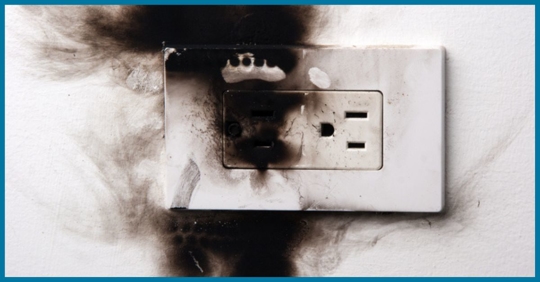
What Is Whole-House Surge Protection?
In the realm of home electrical safety, whole-house surge protection stands as a formidable guard against unexpected voltage spikes. Rather than limiting its scope to individual electronic devices, this comprehensive system safeguards an entire home, offering peace of mind to homeowners. Essentially, whole-house surge protectors are designed to block or redirect excess electrical energy arising from incidences such as lightning strikes or power grid fluctuations. By doing so, they prevent this excess from damaging household appliances and electronics. When the power returns to normal, these protectors seamlessly continue to offer protection without interfering with the usability of your electrical devices. This proactive approach not only extends the lifespan of your electronics but also ensures you're not left with hefty repair or replacement bills following an electrical incident.
Whole-house surge protectors differ significantly in design and operational capacity compared to the typical power strips that many homeowners might be familiar with. They operate directly at the electrical panel for the whole house, offering robust defense mechanisms that can handle larger surges. While power strips offer a basic level of protection—typically focused on preventing small surges from damaging plugged-in devices—whole-house systems fortify your entire home’s electric network, acting as the first line of defense against more significant threats. By addressing surges at their entry point, these systems are integral to crafting a more resilient and secure home environment.
Components of a Whole-House Surge Protection System
A comprehensive whole-house surge protection system is composed of several key components, each playing a vital role in fortifying a home’s defenses against electrical anomalies. Service entrance protection is usually the first layer, installed at the main electrical panel to prevent high-voltage surges from infiltrating your home’s wiring system. These protectors are designed to handle large spikes effectively, keeping your entire home shielded from potentially disastrous consequences. Complementing this are point-of-use devices, which offer additional localized protection for sensitive electronics such as televisions and computers, adding another layer to your defense strategy.
Implementing a layered defense approach is crucial to maximizing the effectiveness of whole-house surge protection systems. By having multiple protection points—service entrance, branch, and dedicated point-of-use—the chances of a surge making its way to your valuable electronics are significantly minimized. Moreover, understanding the intricacies of how each of these protective layers interacts ensures that homeowners can tailor their systems based on specific environmental factors like frequent thunderstorms or aging infrastructure. Overall, the strategic integration of these components can offer homeowners a complete protective shield.
Evaluating Electrical Vulnerabilities
When it comes to determining your home's unique surge protection needs, the process begins by evaluating potential electrical vulnerabilities. This involves a careful inspection of your home's electrical infrastructure to identify factors that may make it more susceptible to voltage fluctuations. Geography plays a significant role here—homeowners must consider the frequency of thunderstorms and the potential for power line disruptions that accompany such conditions. Similarly, the overall energy consumption in your household could influence the level and type of surge protection required, particularly in homes that rely heavily on high-energy appliances or multiple electronics.
An effective evaluation process also involves reviewing your home's electrical history, which may reveal patterns or instances of past electrical issues, such as frequent breaker trips or damaged electronics, that could signal the need for enhanced protection. Remember, each home has its vulnerabilities, and understanding them is the first step toward effective safeguarding. By taking these factors into consideration, homeowners can make more informed decisions about their surge protection needs, ultimately leading to better protection and peace of mind.
Determining Proper Surge Protection Levels
Once you've identified potential vulnerabilities, the next critical step is determining the appropriate surge protection levels for your home. This decision should be based on several factors, including the size and layout of your home, your existing electrical infrastructure, and the specific needs of your appliances. Larger homes or those with older electrical systems may require more robust protection solutions to accommodate higher energy demands or outdated wiring that could compromise safety. Furthermore, understanding the energy requirements of your household appliances will guide you in selecting surge protectors with adequate capacity to handle potential surges effectively.
Calculation of the necessary protection levels involves more than a simple equation—it requires a strategic approach to ensure every part of your home is adequately shielded against potential threats. Consulting with an electrical professional can offer invaluable insights, particularly if you're uncertain about the intricacies of your home’s electrical setup. Ultimately, the objective is to strike a balance between robust protection and operational efficiency, ensuring your surge protector can handle whatever Mother Nature or the power grid throws its way while maintaining seamless electrical service throughout your home.
Key Features to Consider
Selecting the ideal whole-house surge protector requires careful consideration of specific product features that determine its effectiveness and reliability. One of the most crucial aspects is the response time—the quicker the protector can respond to a surge, the better protected your appliances will be. Look for surge protectors with near-instantaneous response times to ensure maximum safety. Additionally, the maximum surge current capacity is vital; opt for products capable of handling surges with substantial electrical force to cover various potential scenarios.
Moreover, clamping voltage, which signifies the protector's threshold before redirecting excess electricity, should ideally be as low as possible for enhanced protection. Be sure the surge protector is backed by comprehensive warranty terms, indicating the manufacturer’s confidence in the product’s reliability over time. By prioritizing these features, homeowners can ensure their entire electrical system remains safeguarded against unpredictable voltage fluctuations. When making your decision, keep in mind that the right surge protector won’t just serve as a functional necessity but will also be a long-term investment in your home's safety.
Product Certifications and Compliance
Another important element to focus on when choosing a whole-house surge protector is ensuring that it meets industry standards and certifications. The UL 1449 certification is particularly important, as it verifies a product's ability to effectively manage surge activities. This certification acts as a seal of quality and performance, providing assurance that the surge protector can handle significant electrical surges without failure. Homeowners should look for this stamp before making a purchase to ensure optimal safety.
Additionally, compliance with other safety standards offers an added layer of protection, ensuring that the surge protector has undergone rigorous testing for quality and reliability. Given North Carolina's weather patterns, such comprehensive screening is essential. By confirming that your surge protector adheres to industry certifications, you are taking responsible steps to protect your household and its devices from unforeseen electrical threats. Prioritizing certified and compliant products will offer peace of mind, knowing you have a qualified defender against any electrical anomalies your home may face.
Hiring a Qualified Electrician
To ensure your whole-house surge protection system operates effectively, hiring a qualified electrician for installation is imperative. A professional electrician can provide insights into the intricacies of your home’s electrical system and implement the surge protector following the National Electrical Code (NEC) guidelines. The NEC ensures safety and compliance, minimizing risks and enhancing the reliability of the surge protection system. Hiring an electrician, particularly one familiar with local power dynamics, means entrusting this critical installation to someone who understands the specific challenges of electrical installations.
Selecting the right electrician involves reviewing credentials, certifications, and past customer reviews, ensuring they possess the relevant expertise and experience. While it might be tempting to opt for DIY installation, the risks of misconfiguration or technical failure argue against it. By prioritizing professional installation, homeowners can rest assured their surge protection system is set up to perform efficiently and reduce vulnerabilities, fulfilling its protective duties with precision.
Costs and Budgeting for Installation
When budgeting for whole-house surge protection, it’s essential to consider the full range of factors influencing costs. Installation fees can vary based on the complexity of your home’s electrical system and the quality of the surge protector itself. However, investing in a high-quality surge protector and professional installation can save you money in the long run by safeguarding your electronics and appliances from costly damage.
Additionally, homeowners may find they benefit from reduced premiums on their insurance policies when a surge protection system is installed, due to the reduced risk of electrical fires and related issues. These potential savings should be factored into your overall budgeting process, helping offset initial installation costs. By thoughtfully considering installation expenses and potential savings, homeowners can make an informed, strategic decision that enhances their home’s protection while fitting comfortably within their financial plans.
Integration with Smart Home Technology
In the age of technology, enhancing your whole-house surge protection system with smart home integration can optimize both functionality and convenience. Modern surge protectors can be integrated with smart home systems, allowing for advanced monitoring and management capabilities. These systems enable homeowners to track electrical usage in real-time, receive alerts about ongoing power surges, and remotely manage protective settings via smartphones or other connected devices.
For tech-savvy homeowners, this integration not only bolsters household safety but also offers seamless control over their home environment from virtually anywhere. Moreover, the insights gleaned from monitoring can aid in optimizing energy consumption, making the home more efficient, and potentially lowering utility bills. By choosing surge protectors that align with smart home frameworks, homeowners can fully leverage the dual benefits of advanced protection and technological convenience.
Additional Safety Measures and Enhancements
While whole-house surge protection is a significant step towards electrical safety, it's crucial not to overlook additional measures that can further enhance your home's guard against electrical threats. The use of Arc Fault Circuit Interrupters (AFCIs) and Ground Fault Circuit Interrupters (GFCIs) are recommended enhancements, designed to prevent arc faults and ground faults that can lead to fires and electrical shocks. Combining these devices with your surge protection system forms a comprehensive protective network, maximizing safety in various scenarios.
Furthermore, routine inspections and adhering to maintenance guidelines are critical to ensuring the system’s long-term efficacy and performance. By implementing these additional strategies, you fortify your home against a wider range of electrical issues, giving your surge protection system a reliable support network. This approach ensures not only peace of mind but adds value to your home by reinforcing its safety credentials, particularly appealing to buyers who prioritize well-protected residences in the real estate market.
Turn to Zar Electric for Your Surge Protection Needs
Investing in whole-house surge protection is a crucial step in safeguarding your home against electrical mishaps. Not only does it ensure the safety and longevity of your electronics and appliances, but it also brings you peace of mind knowing your home is fortified against unforeseen electrical events. At Zar Electric, we specialize in installing and maintaining top-tier surge protection systems tailored to the needs of local homeowners. Reach out to us today to learn how we can help protect your home, enhance its value, and ensure it stands strong against electrical threats. Let us guide you to make the best choice in protecting your home's electrical integrity.
Call Zar Electric now at (919) 200-6551 or contact us online.