

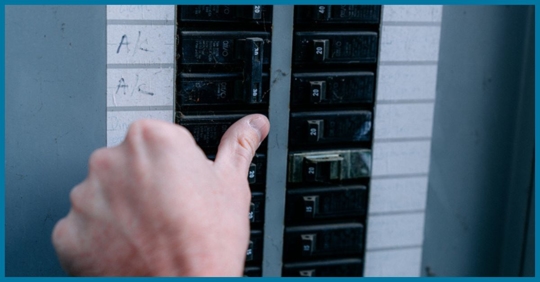
Circuit breakers are one of the most critical safety components in any home, quietly protecting your electrical system from overloads, short circuits, and other hazards. While often overlooked, these devices prevent electrical fires, protect appliances, and keep your family safe. Understanding how circuit breakers function, why they trip, and how to address issues proactively can save you from costly repairs and dangerous situations. This guide walks you through essential information on circuit breakers, troubleshooting tips, and preventative measures for maintaining a reliable electrical system.
What is a Circuit Breaker?
A circuit breaker acts as a safeguard for your home’s electrical system, automatically interrupting the flow of electricity when it detects abnormalities.
Key types of breakers include:
- Standard breakers: Provide general protection for circuits throughout your home.
- Ground Fault Circuit Interrupters (GFCI): Designed for wet areas like bathrooms and kitchens, protecting against electrical shocks.
- Arc Fault Circuit Interrupters (AFCI): Detect and prevent electrical arcs that could lead to fires.
By cutting power during dangerous situations, breakers help prevent fires, appliance damage, and other hazards, making them indispensable for any household.
How Circuit Breakers Work
Circuit breakers rely on sophisticated mechanisms to monitor and control electrical flow. They contain several key components, including the switch, contacts, and trip unit, which work together to detect irregularities.
When a fault occurs:
- The trip mechanism separates the contacts.
- This creates a gap, interrupting the circuit.
- The flow of electricity stops, preventing overheating or fires.
These protective actions allow breakers to maintain a safe and balanced electrical system, even in the event of unexpected surges or faults.
Common Reasons Why Circuit Breakers Trip
Circuit breakers may trip for several reasons, often signaling a need for attention. Common causes include:
- Electrical overloads: Too many high-powered appliances running simultaneously.
- Short circuits: Occur when wires come into unintended contact, generating excess current.
- Ground faults: Electrical current flows to the ground, often in wet or damp areas.
Understanding why your breaker trips helps prevent recurring problems and reduces potential fire risks.
Diagnosing a Tripped Circuit Breaker
Identifying a Tripped Breaker:
Tripped breakers are usually easy to spot in your electrical panel. Open the panel and look for switches that are positioned differently from the rest — often in the middle or “off” position.
Tips for safety during inspection:
- Wear rubber-soled shoes.
- Use a flashlight if needed.
- Avoid touching other components in the panel.
When in doubt, calling a professional ensures safety and prevents accidents.
Recognizing Warning Signs:
Signs of a tripped breaker include:
- Loss of power in part of your home.
- A switch visibly in the “off” position.
- Buzzing, sparking, or unusual noises near outlets or the panel.
Addressing these cues promptly can prevent more serious electrical problems from developing.
Why You Shouldn’t Ignore a Tripped Breaker:
A tripped breaker is not just inconvenient—it’s a warning. Ignoring it can lead to:
- Overheating and fire hazards.
- Damage to appliances and wiring.
- Reduced lifespan of your electrical system.
Responding quickly ensures safety, efficiency, and the longevity of your home’s electrical infrastructure.
Resolving Tripped Circuit Breakers
How to Safely Reset a Breaker:
Resetting a breaker involves a few careful steps:
- Unplug all appliances on the affected circuit.
- Locate the tripped breaker.
- Switch it firmly to the “off” position first.
- Then turn it back to “on.”
If the breaker does not reset or trips again immediately, it is a sign of a deeper issue requiring professional evaluation. Always prioritize safety by wearing gloves and eye protection when handling electrical panels.
Preventative Measures:
Preventing future trips helps maintain a safer, more reliable electrical system:
- Avoid overloading circuits by spreading appliances across multiple outlets.
- Schedule regular inspections with a licensed electrician.
- Upgrade outdated breakers or panels to handle modern energy demands.
Proactive measures reduce risks and improve overall efficiency.
When to Call a Professional:
Professional intervention is necessary if you notice:
- Frequent trips without apparent cause.
- Burning smells or visible burn marks on panels or outlets.
- Persistent electrical issues despite preventive measures.
A licensed electrician can safely diagnose and resolve underlying problems, giving you peace of mind.
Advanced Troubleshooting Techniques
Using a Multimeter:
A multimeter helps diagnose complex electrical issues by measuring voltage, resistance, and current flow. By comparing readings to expected values, you can identify potential faults in circuits. While technical, it provides valuable insight for safely troubleshooting electrical problems.
Upgrading Your Electrical System:
Modern homes often require electrical updates due to higher energy demands. Upgrading panels or breakers can:
- Reduce frequent tripping.
- Support new high-consumption appliances.
- Increase home value and operational efficiency.
Identifying Circuit Overload Patterns:
Observe your circuits to pinpoint recurring overloads:
- Note when trips occur and which appliances are running.
- Redistribute appliances to balance loads.
- Consider adding circuits for consistent power distribution.
Strategic observation and adjustments reduce stress on your electrical system and improve efficiency.
Safety Considerations and Best Practices
Essential Safety Gear:
When working with electricity, proper gear is critical:
- Insulated gloves
- Protective eyewear
- Rubber-soled shoes
Always ensure power is turned off before working on circuits, and have emergency contacts readily available.
Understanding Electrical Codes:
Complying with local electrical codes ensures safety and legal compliance. Proper installation and maintenance according to regulations help protect your home from hazards and potential liability issues.
Debunking Common Myths:
Common misconceptions include:
- All electrical repairs are simple DIY tasks.
- Circuit breakers never fail.
While minor resets are usually safe, more complex issues often require professional expertise to avoid risks and ensure long-term safety.
Zar Electric Knows Circuit Breakers
Circuit breakers are essential for keeping your home safe from electrical hazards. By understanding why breakers trip, how to reset them safely, and when to seek professional help, homeowners can maintain a reliable and efficient electrical system. Proactive maintenance, preventive measures, and periodic inspections protect your family, appliances, and home.
For expert guidance and professional electrical services, our team at Zar Electric is ready to help diagnose, repair, and optimize your home’s panel and circuit breakers. Prioritizing safety and efficiency ensures peace of mind and long-term reliability for every household.
Call Zar Electric now at (919) 200-6551 or send us a message online.