

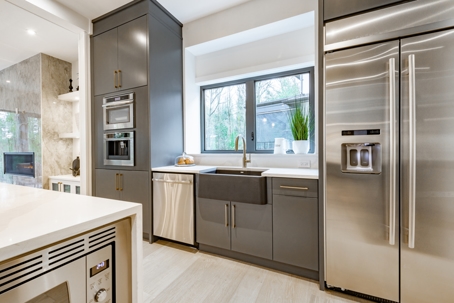
Many homeowners love upgrading their kitchen gadgets, laundry appliances, or home entertainment systems. But older wiring may not be ready for the demands of modern electrical devices. If your home was built decades ago, the wiring that worked fine then might struggle now, causing tripped breakers, flickering lights, or reduced appliance performance.
Understanding why this happens and how to address it can help you enjoy your new appliances safely and efficiently.
How Home Wiring Has Changed Over the Years
Older homes were built for much simpler electrical needs. A home wired in the 1960s or 1970s was designed for a few lights, a refrigerator, and maybe a small oven. Today, we use multiple high-powered appliances simultaneously, such as:
- Smart TVs, gaming consoles, and computers
- Modern refrigerators with ice makers and smart features
- Washer-dryer combos and dishwashers with energy-saving cycles
The difference in electrical demand can overwhelm outdated wiring systems, especially if the home still uses aluminum wiring or older outlets not rated for heavy loads.
Signs Your Wiring May Be Struggling
It’s not always obvious when your home’s wiring can’t keep up. Watch for subtle signs like:
- Flickering or dimming lights when appliances turn on
- Frequent breaker trips or blown fuses
- Warm or discolored outlets and switches
- Buzzing or crackling sounds from outlets
- Appliances are not running at full power
Even small signs should be checked, as they indicate your system is under stress and may need evaluation.
Why Modern Appliances Require More Power
Modern appliances use more electricity due to advanced features, efficiency upgrades, and larger motors.
These devices can draw more amperage than older circuits were designed for. If multiple appliances run on the same circuit, it can easily exceed the circuit’s capacity, causing tripped breakers and potential hazards.
Common Wiring Challenges in Older Homes
Older homes often face specific wiring issues:
- Aluminum Wiring: Common in the 1960s and 70s; it can oxidize and cause loose connections.
- Undersized Circuits: Early homes may have 15-amp circuits instead of the 20-amp circuits typical today.
- Limited Outlets: Older layouts may require extension cords or power strips, creating overload risks.
- Knob-and-Tube Wiring: Rare but present in very old homes; it lacks grounding and is unsafe for modern appliances.
Identifying these challenges early can prevent frustration and potential electrical problems.
What Homeowners Can Do
Even if your home is older, there are practical ways to manage electrical demand:
- Have a licensed electrician inspect your wiring and circuits.
- Add dedicated circuits for high-demand appliances, such as washers, dryers, or ovens.
- Upgrade outdated outlets and switches to handle modern loads safely.
- Consider partial rewiring if multiple circuits show stress signs.
- Avoid overloading outlets with multiple high-power devices.
Small changes now can prevent bigger issues later and ensure your appliances run efficiently.
Planning Appliance Upgrades Safely
If you plan to install new appliances this spring, take these steps:
- Check your home’s current electrical capacity.
- Identify which circuits high-powered appliances will use.
- Upgrade circuits or wiring as needed before installing new devices.
- Use a licensed electrician for any installation involving rewiring or new circuits.
Being proactive avoids surprise breaker trips, blown fuses, or reduced appliance performance.
Keep Your Appliances Running Smoothly With Proper Wiring
Older wiring doesn’t have to stop you from enjoying modern appliances. Zar Electric can help you understand your home’s electrical system, identify areas that may need attention, and guide you on safe, practical steps to reduce frustration and avoid safety risks.
If you’ve noticed dimming lights, tripping breakers, or outlets that feel warm, contact Zar Electric for an evaluation. Schedule an appointment today through our online form or call (919) 200-6551 for knowledgeable guidance you can rely on.